
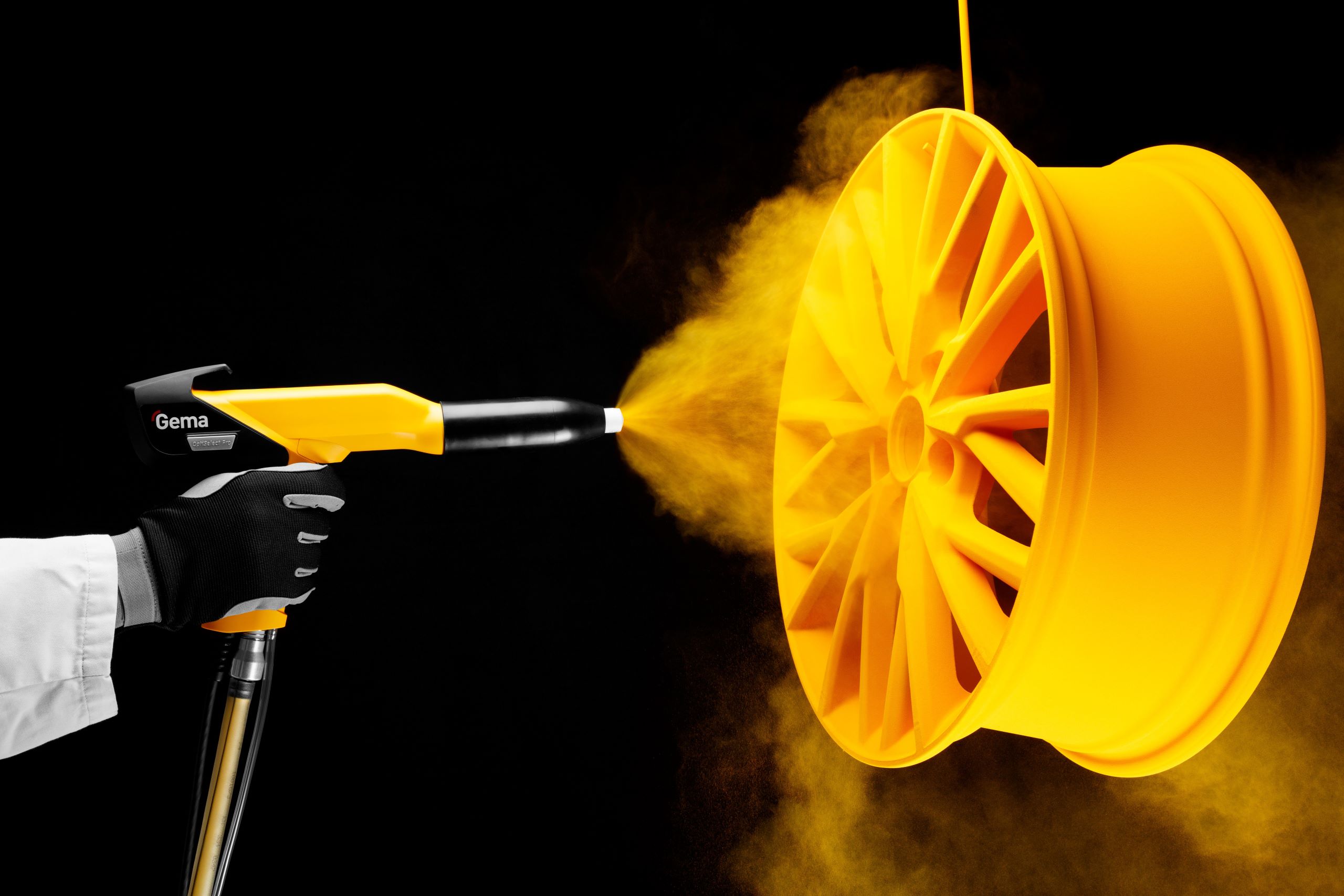
Advances in finishing technology have changed how manufacturers protect and enhance metal surfaces. Powder coating equipment delivers stronger, cleaner, and longer-lasting finishes than conventional liquid paint systems. Understanding why this method dominates modern production helps explain its growing presence in automotive, aerospace, and fabrication industries.
Thicker Film Build Granting Enhanced Abrasion Resistance
Powder coatings naturally create a thicker, more uniform film during application. This added thickness forms a durable barrier that resists scratching, chipping, and mechanical wear far better than wet paint. The powder particles fuse together under heat, producing a dense layer of protection without requiring multiple coats.
Because of this robust film structure, surfaces coated using a professional powder coating gun maintain their finish longer in harsh conditions. Machinery, metal furniture, and outdoor fixtures often use this method for its extended life and superior surface strength. It’s a coating that withstands both time and impact.
Minimal Overspray and Higher Transfer Efficiency Lowering Waste
Powder coating minimizes waste because it uses an electrostatic process to attract particles directly to the grounded surface. Overspray is reduced, and nearly all unused powder can be collected and reused. This transfer efficiency means less material is lost during production, improving both economy and sustainability.
In a powder coating booth, controlled airflow ensures that stray particles are captured and recycled instead of vented away. Wet paint systems cannot recover overspray once it disperses into the air. The difference in efficiency helps manufacturers cut costs while maintaining cleaner working environments.
Nearly Solvent-free Process Reducing VOC Emissions and Environmental Impact
Traditional wet paint systems rely heavily on solvents that release volatile organic compounds (VOCs). Powder coatings, however, contain virtually no solvents and emit minimal VOCs. This makes them safer for workers and reduces environmental harm without compromising finish quality.
Facilities using a powder coating spray booth experience cleaner air and lower regulatory compliance costs. The nearly solvent-free process also means no drying fumes or flammable residues, simplifying ventilation and waste disposal. It’s a cleaner process from start to finish.
Uniform Coating Across Complex Geometries Avoiding Runs or Sags
Powder coating equipment applies material evenly over intricate parts, corners, and contours. The electrostatic attraction ensures that the powder clings uniformly to all surfaces before curing, eliminating runs, drips, or uneven build that are common in liquid paint. This produces smooth, consistent finishes on even the most challenging shapes.
Unlike traditional painting, there’s no need to worry about gravity pulling paint downward or forming streaks. This capability makes powder coating ideal for products like metal frames, appliances, and architectural panels, where appearance and precision coverage are equally important.
One-coat Cure Cycle Shortening Production Lead Times
Powder coatings require only a single application followed by heat curing, typically in a propane powder coating oven. This one-step process eliminates the need for multiple drying phases used in wet paint systems. As soon as the coated parts cool, they’re ready for packaging or assembly.
This efficiency dramatically shortens production cycles and improves throughput for manufacturers. By consolidating multiple painting steps into one cure cycle, powder coating enables quicker turnaround times without sacrificing performance or durability.
Cross-linked Polymer Network Delivering Superior Fade and Chip Resistance
Once cured, powder coatings form a tightly cross-linked polymer network. This molecular bond gives them exceptional resistance to fading, chipping, and corrosion. Unlike wet paints that can degrade under UV exposure, powder coatings maintain their color and gloss for years.
The chemical structure also prevents cracking under thermal expansion, making them ideal for outdoor applications and equipment subjected to high heat. Their resilience ensures that parts retain both their protection and aesthetic appeal over extended service periods.
Simplified Material Handling with Reclaimed Powder Reuse
Powder handling is straightforward and safe compared to mixing and thinning wet paints. Excess powder collected inside the industrial paint booth can be filtered and reused, significantly reducing material waste. This reclaim capability keeps operations cost-effective while maintaining consistent finish quality.
Because the powder is non-flammable and free of solvents, storage and transportation are simpler. Workers avoid exposure to harmful fumes, and cleanup between color changes is faster. It’s a practical advantage that keeps facilities efficient and safer to operate.
Stable Finish Qualities Under Exterior Exposure and Harsh Operating Environments
Powder coatings retain their structural integrity under UV radiation, moisture, chemicals, and mechanical stress. They don’t chalk, peel, or blister even after years of exposure. This stability makes them preferred for exterior metalwork, industrial machinery, and vehicles that endure demanding environments.
In addition to their toughness, these finishes maintain consistent gloss and texture over time. Manufacturers relying on powder coating equipment benefit from fewer warranty claims and longer-lasting customer satisfaction. For companies upgrading their finishing systems, Reliant Finishing Systems offers advanced powder coating booths, ovens, and guns designed to deliver these performance advantages across all types of production environments.